
Apuntes de campo es el blog donde los estudiantes de Estudiantes en Acción con Campesinos (SAF) comparten historias de su trabajo directo en el campo con los trabajadores, el trabajo organizativo de base y las actividades de defensoría. Y también donde los trabajadores agrícolas comparten sus propias historias y esperanzas de cambio, escribiendo en el lenguaje que les resulte más cómodo a cada uno.
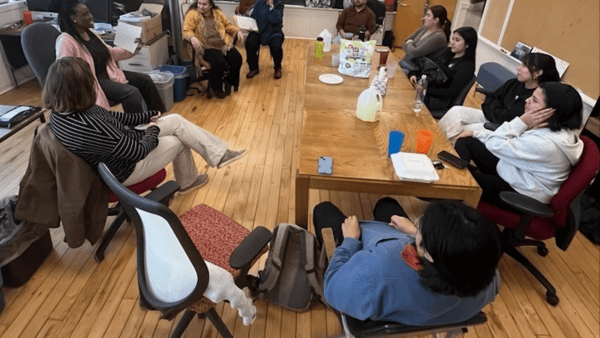
As I left the workshop, I carried with me a deeper understanding of the challenges faced by farmworkers
The Introduction to Farmworker Advocacy Workshop was a transformative experience that opened my eyes to the often-overlooked heroes working tirelessly to uplift farmworkers and their communities. One particular moment during the workshop left an impact on me where various experts and advocates shared their insights and experiences in the realm of farmworker advocacy. The room was filled with passion, dedication, and commitment to addressing the challenges faced by those who work in the fields to put food on our tables. El Futuro Es Nuestro was one of the organizations that participated on the panel to speak on the work they…
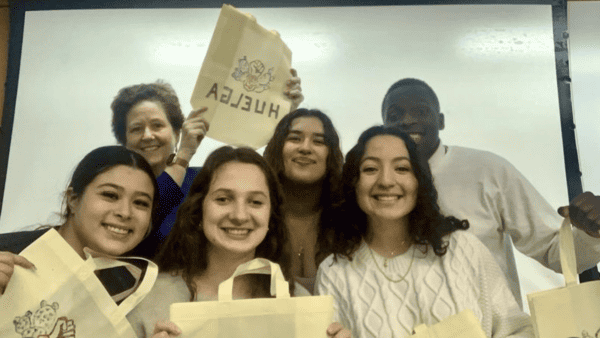
With this lesson in mind, I felt more pride in telling the story of my farmworker family
At one of our most recent workshops, we had a farmworker advocacy panel that consisted of a legal professional, a non-profit organizer, an education advocate, and a farmworker. The most impactful story from the panel came from Doña Leti, who is a grassroots activist and farmworker who has dedicated the past years to empowering and advocating for her community. Her voice was strong and clear as she began to tell us the story of a group of farmworkers who were being forced to adhere to a poor meal plan by their grower. It was a stressful and frightening journey as…
SAF provides a way for students to interact with other students with similar goals
I recently had the opportunity to attend Levante’s mid-retreat. On this retreat, I realized how much older I have gotten. On this particular day, SAF brought along a Latina therapist who had a group session with the youth program members. I realize that some of these students had some deep stories. Some of them wanted to continue their education to give themselves and their family a better life while others wanted to focus on working for themselves. They also talked about the negative comments they had received in the past and the effect such comments had on their morale. This…
Continue Reading SAF provides a way for students to interact with other students with similar goals
I continued to reflect on how I could translate my renewed inspiration for social justice work into my own hometown
Last December, I traveled to Baltimore, Maryland, for COSHCON. While the weather was dreary and grim, the energy I felt at the conference was full of love, energy, and solidarity among the attendees. COSHCON is a yearly conference hosted by the National Council for Occupational Health and Safety. Its purpose is to create a space where academics, organizations, and, most importantly, workers can meet, speak, and act on the injustices they face in the workplace. Last year, the theme revolved around Workers' Health and Safety. As I journeyed on the trip alone, a group of hardworking Latina women adopted me (or…
It highlighted the need to keep pushing for fair treatment despite the challenges
As part of the Solidaridad group, we organized a Wendy's boycott to protest against the corporation's practices, specifically their failure to support the Fair Food Program. This program ensures fair wages and improved working conditions for farmworkers who harvest Wendy's food. During our peaceful protest, a random stranger slashed our car tires out of pure hate, completely overlooking the cause we were advocating for. It was a shocking incident that vividly exposed the challenges we encounter in raising awareness about social issues. The unfortunate presence of prejudice in our society became glaringly evident, as these individuals didn't take the time to…
Continue Reading It highlighted the need to keep pushing for fair treatment despite the challenges
I come from a family that helps me and listens to me
Get to know Levante's newest student: Arely P. When asked who/what Halloween costume they identify most with, Arely answered: Julian, he’s a soccer player, gives it his all, has talent and worked hard to get where he is. I try to give it my all and try to achieve my goals. When asked where they come from, Arely answered: I come from a family that helps me and listens to me. I come from a Hispanic household and my family has evolved over the years. I have learned new things from every member of my family, and it has got me ready…
Continue Reading I come from a family that helps me and listens to me